
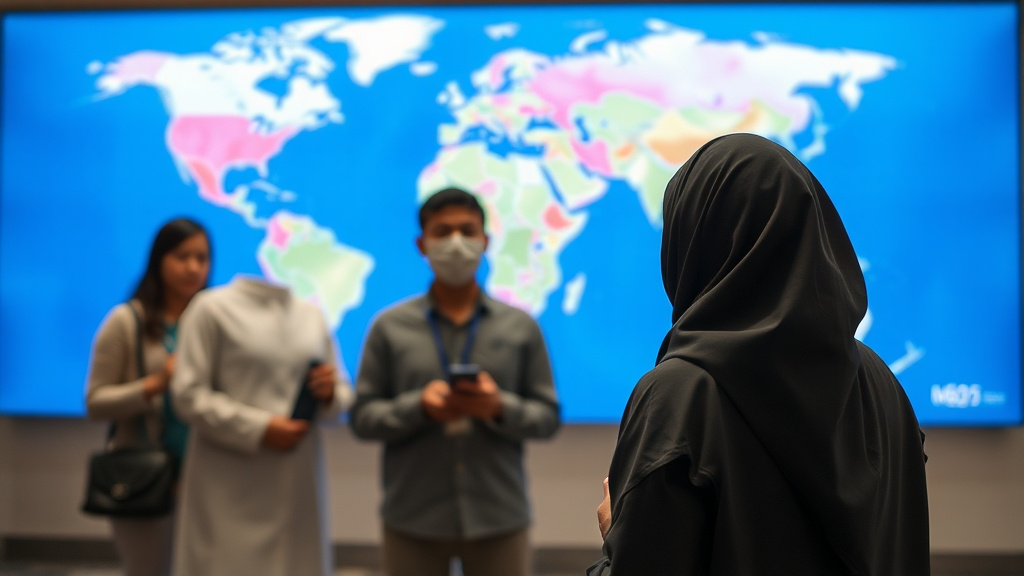
In a groundbreaking move to combat the rising risk of disease transmission worldwide, the World Health Initiative has unveiled an far-reaching worldwide campaign designed to prevent, detect, and respond to disease outbreaks before they escalate to catastrophic pandemics. This extensive program brings together nations, medical practitioners, and scientific organizations to enhance disease surveillance systems, improve vaccination programs, and bolster pandemic preparedness. Discover how this unified worldwide effort seeks to save countless lives and transform our collective defense against infectious disease threats.
Worldwide Response to Rising Health Risks
The rising rate and intensity of infectious disease occurrences have prompted an unprecedented coordinated response from the international health community. The World Health Initiative’s campaign represents a pivotal moment in global health security, deploying capabilities and knowledge across continents. By establishing integrated monitoring systems and promoting partnerships between high-income and lower-income countries, this initiative addresses the fundamental gaps that have traditionally enabled pathogens to circulate without control. The broad strategy acknowledges that infectious disease challenges cross national boundaries, requiring coordinated approaches and shared responsibility among all participants in the worldwide health system.
At the heart of this response is the commitment to strengthening health systems in at-risk areas where disease outbreaks frequently emerge and propagate most rapidly. The campaign prioritizes developing frontline health personnel, enhancing testing and detection abilities, and creating alert mechanisms that can detect emerging threats in real time. By investing in preventive measures and rapid response protocols, the World Health Initiative aims to transform how nations prepare for and manage pandemic emergencies. This proactive stance shifts the paradigm from reactive crisis management to planned disease control, ultimately preserving human life and lessening the financial impact of pandemic-related disruptions on global communities.
Key Strategies and Prevention Methods
The World Health Initiative’s initiative employs a multi-pronged approach combining cutting-edge technology, worldwide cooperation, and research-backed methods. By combining current data insights with traditional epidemiological methods, the initiative enhances disease tracking networks globally. Funding of health system infrastructure, staff development, and community health awareness forms the core of this disease prevention plan, enabling people around the world develop resilience against evolving infectious diseases.
Prompt Recognition Systems
Timely detection represents the foundation of successful disease outbreak response. The World Health Initiative has prioritized creating interconnected surveillance networks that track disease patterns in real-time across member countries. These sophisticated systems leverage artificial intelligence and machine learning algorithms to identify irregularities and emerging threats before they escalate. By enabling rapid information sharing between public health agencies, early detection systems enable swift intervention and containment measures that prevent widespread transmission.
Sophisticated diagnostic tools and diagnostic technologies constitute essential components of the early detection infrastructure. The program facilitates the development of mobile diagnostic devices and on-site testing solutions that bring diagnostic capabilities to isolated and marginalized regions. Training programs ensure healthcare workers can properly operate these tools, while accuracy verification measures maintain testing precision. This distributed model enables quicker detection of cases and variants, vital for executing timely public health responses.
- Continuous disease surveillance networks tracking worldwide disease risks
- AI systems identifying unusual outbreak patterns early
- Mobile testing laboratories serving remote communities effectively
- Quick data exchange protocols linking international health authorities
- Quality control programs ensuring diagnostic accuracy and reliability
Global Partnership and Resources
The effectiveness of the World Health Initiative’s campaign hinges on remarkable cross-border cooperation and shared resources among participating nations. Countries are allocating significant funding, medical expertise, and technological infrastructure to create integrated disease surveillance networks. By leveraging collective assets, nations can mobilize quick-action groups, exchange vital outbreak information, and coordinate vaccination efforts across borders. This cooperative structure ensures that infectious threats are identified and controlled swiftly, regardless of geographic location, creating a unified global defense system against infectious threats.
Financial commitments from both developed and developing nations highlight the campaign’s worldwide importance in global health security. The initiative deploys advanced diagnostic technologies, testing laboratories, and qualified staff to enhance healthcare systems worldwide. Global collaborations enable knowledge exchange, enabling countries to benefit from successful containment strategies and integrate best practices. Through coordinated resource allocation and technical support, the World Health Initiative strengthens every nation to reinforce its infectious disease prevention infrastructure and take an active role in safeguarding global populations from new infectious disease threats.
Future Outlook and Anticipated Effects
The World Health Initiative’s program is anticipated to significantly enhance international disease tracking infrastructure over the subsequent five-year period. By deploying modern detection tools and strengthening lab infrastructure across emerging economies, health authorities project recognize emerging risks within days instead of weeks. This accelerated response timeline could reduce widespread transmission and preserve millions of lives. The initiative’s commitment to developing healthcare personnel and setting up regional coordination hubs promises to create a more resilient international health framework capable of addressing emerging health crises with greater efficiency and coordination.
Looking ahead, the campaign’s continued success relies on ongoing global collaboration and sufficient financial support from participating countries. Experts anticipate that uniform procedures and collaborative information systems will enable more rapid communication between nations, encouraging a truly collaborative approach to disease control. As immunization initiatives grow and surveillance systems mature, the initiative aims to lower death rates from infectious disease by a minimum of thirty percent within a decade. This transformative effort embodies humanity’s most ambitious endeavor to build a collective protection against communicable disease risks.
