
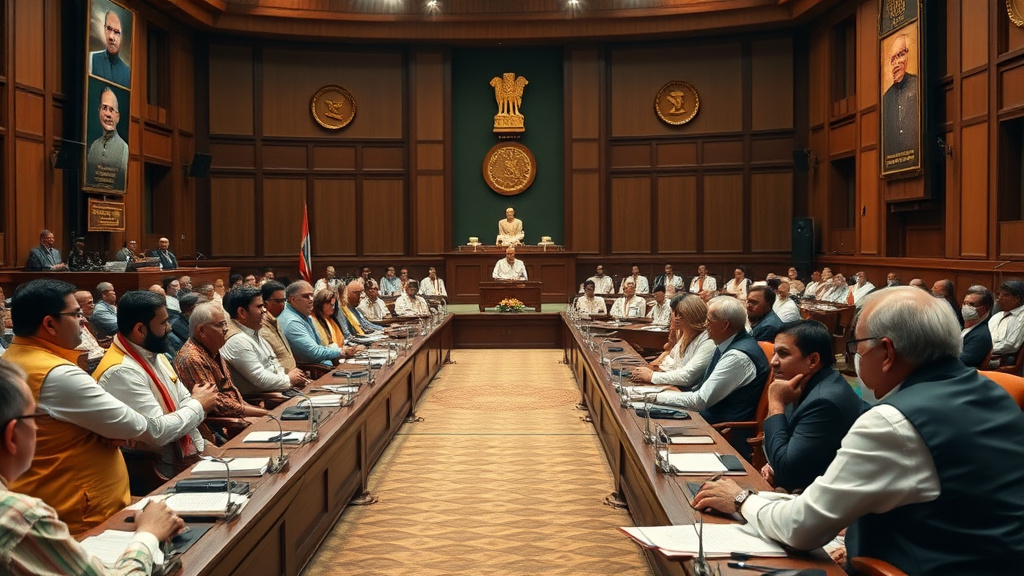
In a notable example of bipartisan cooperation, Congress has finally passed a significant infrastructure measure after months of intense negotiations and partisan agreement. This historic legislation constitutes a substantial commitment in America’s outdated transportation and road infrastructure, setting the most substantial infrastructure spending in recent memory. The bill’s passage signals a critical juncture in Congress, demonstrating that both parties can reach agreement on vital matters impacting millions of Americans. This article examines the key provisions, the legislative path that made it possible, and what this victory means for the nation’s future.
Key Provisions and Investment Areas
Transport Systems
The transportation legislation directs significant resources to modernize America’s transportation network, addressing decades of deferred maintenance. Approximately $110 billion is earmarked for roads and bridges, with additional resources for public transit systems, railway systems, and airport improvements. These expenditures aim to improve public safety, reduce congestion, and drive economic development across communities nationwide. The resources will prioritize projects in underserved regions, guaranteeing equitable distribution of funding. This broad strategy recognizes transportation as essential for America’s competitive advantage and quality of life.
Public transportation secures substantial funding through this legislation, with billions allocated for bus networks, rail infrastructure, and transit modernization. Urban centers will enjoy enhanced subway and light rail options, while outlying regions receive improved connectivity. The bill supports electric bus adoption, decreasing pollution and operational expenses. These upgrades will make public transit more accessible and efficient for millions of Americans. Better transportation alternatives promote eco-friendly development and lower dependence on private cars.
The rail component emphasizes expanding Amtrak service and modernizing freight rail infrastructure. Funding for passenger rail corridors will improve connectivity between major cities and decrease travel times. Freight rail enhancements enhance commercial efficiency and minimize highway congestion. These programs advance both passenger convenience and economic performance. The extensive rail strategy establishes America competitively in comparison with international transportation systems.
Broadband and Digital Infrastructure
Digital access stands as a major emphasis, with $65 billion committed to broadband expansion and rural internet access. The bill addresses the digital divide by funding high-speed internet infrastructure in underserved communities across America. This investment acknowledges broadband as vital infrastructure comparable to electricity and water. Rural areas, particularly, will benefit from targeted funding to eliminate connectivity gaps. Better digital access enables economic opportunity, educational advancement, and improved healthcare delivery nationwide.
The high-speed internet program features support for budget-friendly internet options and digital skills training. Communities will gain access to digital skills instruction and technical support in addition to infrastructure improvements. The legislation promotes competition among internet service providers to hold down expenses. These measures make certain that increased network capacity translates into actual accessibility for lower-income communities. Digital inclusion can be realized through integrated policy frameworks.
Water and Ecological Infrastructure
Water infrastructure secures $55 billion in allocated funds to modernize outdated piping systems and enhance water quality across America. The bill confronts lead exposure in drinking water systems, ensuring public health in vulnerable communities. Water treatment plants will undergo modernization to meet modern environmental standards. Funding for water systems prevents disease, supports industrial development, and protects ecosystems. This dedication reflects growing recognition of water security as essential systems.
Environmental rehabilitation and recovery projects benefit from considerable resources within the bill’s framework. Funding supports flood control, drought response, and climate adjustment initiatives. Communities at risk from climate change receive support for protective infrastructure and disaster risk reduction. These allocations protect lives, property, and economic assets while promoting environmental sustainability. The bill incorporates climate considerations throughout its infrastructure priorities.
Political Discussions and Bipartisan Support
The road to enacting the infrastructure legislation demanded remarkable teamwork between Republican and Democratic lawmakers who traditionally oppose each other on budgetary priorities. Extended periods of negotiations featured contentious debates over payment structures, project allocations, and implementation timelines. Both parties offered substantial compromises to reach consensus, showing a mutual dedication to addressing America’s crumbling infrastructure in spite of significant partisan disagreements on other policy issues.
- Republicans obtained lower government expenditures and tax measures.
- Democrats secured significant funding in climate infrastructure projects.
- Both parties reached consensus on broadband expansion across rural communities.
- Negotiations included compromise on electric vehicle charging stations.
- Bipartisan group preserved cohesion throughout contentious amendment debates.
The bipartisan group that took shape proved essential to the bill’s passage, with centrist lawmakers from both chambers working tirelessly to overcome partisan divisions. Key deal-makers from each party openly recognized the challenge of securing a deal while stressing the significance of the infrastructure investment for their constituents. This partnership strategy ultimately overcame partisan obstacles that had blocked previous infrastructure proposals for years.
Political analysts view this achievement as a significant milestone for Congressional operations, suggesting that upcoming bills addressing key issues may benefit from similar bipartisan frameworks. The bill’s passage demonstrates that despite polarization, lawmakers are able to find shared interests and collaborate effectively toward solutions benefiting all Americans through enhanced infrastructure systems and economic advancement possibilities.
Financial Consequences and Next Steps for Rollout
Projected Economic Growth
Economic analysts project that the infrastructure bill will generate substantial sustained growth for the American economy. The $1.2 trillion expenditure is projected to create millions of jobs across construction, engineering, and related sectors over the next decade. Better infrastructure will boost productivity, lower transportation costs for businesses, and attract private investment to underserved regions. The CBO estimates the bill will add approximately 0.1 percent to yearly economic growth, translating into significant economic benefits for communities nationwide and reinforcing America’s market standing globally.
The bill’s funding approaches ensure ongoing fiscal support without burdening the federal budget. Revenue sources include redirected pandemic relief resources, elevated fuel levies, and user fees on electric vehicles. This varied financing strategy spreads expenses across various parties while upholding budgetary discipline. Economists note that the initial expenditure will generate tax revenues through increased economic activity, reducing initial expenditures. The sustained financial returns positions the bill as fiscally sound policy that balances urgent infrastructure requirements with long-term financial viability and economic competitiveness.
Implementation Timeline and Strategic Priorities
Federal agencies have established a comprehensive implementation schedule extending across five years, with immediate funding allocations for construction-prepared initiatives. Priority infrastructure categories include bridge restoration work, public transportation improvements, broadband expansion, and water system enhancements. States and municipalities must submit detailed project proposals proving alignment with federal standards and environmental standards. The Transportation Department will manage coordination among agencies, guaranteeing fair allocation of resources across urban and rural areas. This systematic framework ensures effective resource allocation while preserving accountability and transparency across all implementation stages.
Project selection criteria prioritize equitable infrastructure, climate resilience, and economic growth in underserved areas. The bill requires that a significant percentage of resources support underserourced regions historically overlooked in federal funding. Communities can anticipate construction timelines ranging from two to seven years based on complexity and scope of the project. Ongoing progress updates and performance indicators will track job growth, environmental improvements, and economic development results. This accountability framework ensures taxpayers see tangible results while preserving flexibility for adjustments in response to evolving circumstances and new priorities.
Extended Advantages and National Competitiveness
America’s infrastructure upgrade confronts critical competitive disadvantages in the worldwide economic landscape. Modern transportation networks, consistent high-speed internet, and efficient utilities are vital to drawing companies and maintaining workforce quality. The bill’s funding allocations establish America to compete effectively with international competitors while improving quality of life for residents. Enhanced infrastructure reduces shipping times, cuts operational expenses, and supports telecommuting possibilities in historically underserved regions. These upgrades generate widespread economic advantages throughout supply chains and area markets, establishing foundations for continued economic success and technological advancement.
Beyond near-term economic metrics, the infrastructure bill represents intentional allocation in America’s coming generations of workers and environmental sustainability. Better public transit options lowers carbon emissions while broadband expansion enables learning possibilities in remote communities. Water infrastructure improvements protect public health and support agricultural performance. These interconnected benefits demonstrate how infrastructure investment extends past traditional economic analysis, creating positive externalities across multiple sectors. The bill establishes a template for tackling multifaceted national problems through bipartisan cooperation, potentially inspiring subsequent partnership endeavors on healthcare, education, and climate policy.
