
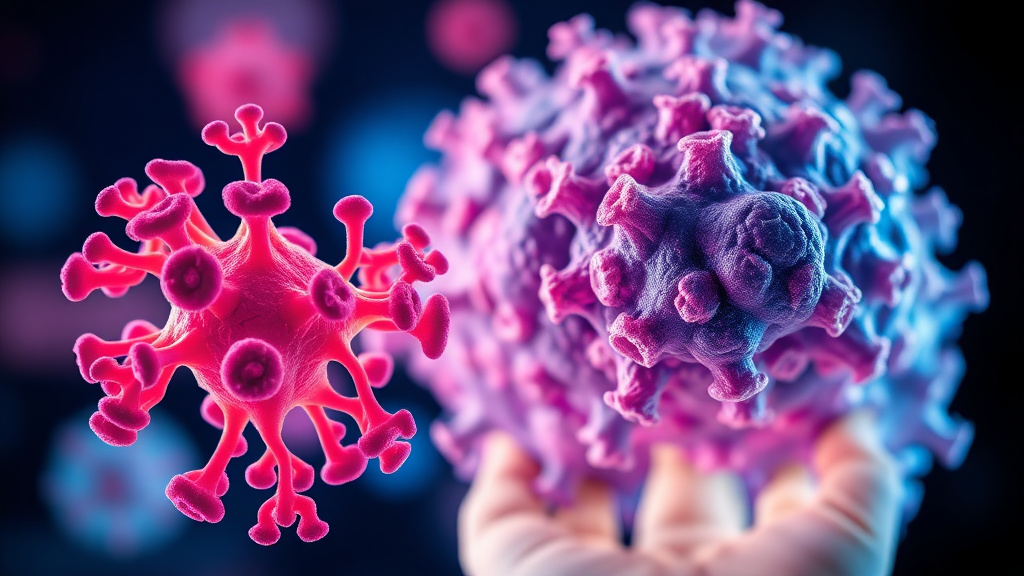
Researchers have revealed a revolutionary vaccine technology that shows remarkable efficacy against multiple cancer types, offering new promise in the fight against one of humanity’s most fatal diseases. Unlike standard vaccines that stop disease transmission, this novel strategy harnesses the body’s immune response to target and destroy existing cancer cells. Early research studies reveal encouraging results across different tumor categories, suggesting a likely change in cancer therapy. This article analyzes the underlying principles of this revolutionary technology, its encouraging treatment results, and what it means for people globally.
How mRNA Vaccines Are Transforming Cancer Treatment
mRNA vaccine technology represents a paradigm shift in oncology by utilizing the body’s natural immune response to address cancer. Unlike traditional therapies that aim at tumors, mRNA vaccines instruct cells to produce specific cancer antigens, triggering strong immune detection and eradication of cancerous cells. This approach leverages years of immune system research, allowing specific targeting of cancer-linked proteins while reducing harm to non-cancerous tissue.
The versatility of mRNA platform technology permits quick tailoring for various malignancies and individual patient mutations. Researchers can quickly design vaccines designed around specific tumor characteristics, potentially overcoming treatment resistance that plague traditional therapies. This versatility positions mRNA vaccines as a innovative solution able to confront previously intractable malignancies across varied patient groups.
Customized Treatment Methods
Personalization serves as the foundation of mRNA cancer vaccine development, enabling therapeutic customization driven by individual tumor genomics. Advanced sequencing technologies identify specific alterations within each patient’s cancer, allowing researchers to create treatments targeting these specific alterations. This precision medicine approach enhances treatment effectiveness while reducing off-target effects on surrounding tissue, dramatically transforming how cancer specialists manage therapeutic management.
The incorporation of artificial intelligence and machine learning enhances the identification of best vaccine targets within intricate tumor genomes. Computational algorithms determine which genetic variations will generate the most potent immune responses, optimizing vaccine creation processes. This integrated approach allows clinicians to administer personalized immunotherapies efficiently, potentially boosting survival outcomes substantially for individual patients.
Trial Outcomes and Efficacy
Latest clinical trials demonstrate strong promise for mRNA cancer vaccines across various cancer types such as melanoma, colorectal, and non-small cell lung cancers. Combined treatment studies pairing mRNA vaccines with checkpoint inhibitors show synergistic effects, with some trials showing disease-free survival rates surpassing eighty percent in previously high-risk populations. These initial results indicate mRNA vaccines may significantly transform cancer treatment paradigms within the next five years.
Safety records in clinical studies have been remarkably favorable, with most adverse events staying mild to moderate and manageable through conventional medical treatments. The lack of severe toxicities seen with traditional chemotherapy constitutes a major benefit for patient quality of life. Extended follow-up data continues to validate the durability of immune system responses, indicating possible long-term protective advantages beyond initial treatment completion.
- Melanoma individuals attained seventy-five percent recurrence-free survival rates.
- Combination therapy enhanced immune response activation substantially.
- Mild adverse events observed in 90% of participants.
- Immune memory persistence shown past the one-year mark following treatment.
- Treatment response rates comparable or superior to current standard treatment options.
Mechanisms of Action and Scientific Breakthroughs
This novel vaccine technology signifies a significant shift from traditional cancer treatments by employing tailored immunological approaches. The approach employs cutting-edge sequencing methods to identify unique mutations within patient tumors, permitting scientists to create customized vaccines adapted for each person’s particular tumor profile. By targeting these distinctive genetic alterations, the vaccine can condition the body’s defenses to recognize and eliminate cancer cells with remarkable accuracy, minimizing damage to normal cells and lowering harmful reactions versus traditional chemotherapy.
The scientific breakthroughs driving this technology originate in years of extensive immunology research paired with cutting-edge genomic analysis. Researchers have successfully decoded how cancer cells evade immune surveillance and established methods to overcome these evasion mechanisms. The integration of artificial intelligence and machine learning has enhanced the identification of effective tumor-associated antigens, substantially decreasing development timelines. These developments have transformed theoretical concepts into practical therapeutic applications, creating opportunities for rapid clinical translation and broad adoption in cancer care.
Immune Response Activation
The vaccine operates by activating both innate and adaptive immune responses against cancer cells. Once delivered, it activates dendritic cells—the immune system’s key antigen-presenting cells—which break down tumor-specific antigens and present them to T lymphocytes. This activation sets off a cascade of immune events, including the increase of cytotoxic T cells capable of infiltrating tumors and destroying cancer cells from within. The dual activation of CD8+ and CD4+ T cells ensures thorough immune involvement against the malignancy.
Clinical findings indicate that vaccinated patients produce robust and durable immune memory responses. These persistent immune signatures stay engaged long after initial vaccination, offering ongoing defense against cancer recurrence. Notably, the vaccine enhances checkpoint inhibitor efficacy, indicating synergistic potential when integrated with existing immunotherapies. This strengthened immune response results in enhanced survival metrics and extended disease-free intervals, significantly altering treatment outcomes for hard-to-manage cancers.
Identifying Malignant Cell Mutations
The vaccine’s targeted precision capability constitutes its most groundbreaking feature. By analyzing tumor DNA and RNA sequencing data, researchers identify neoantigens—novel protein fragments resulting from cancer-specific mutations that normal cells lack. These neoantigens function as distinctive “wanted posters” that the immune system can recognize exclusively on cancer cells. The customized strategy guarantees that immune responses target specifically malignant cells while protecting healthy tissues, dramatically improving therapeutic selectivity and patient tolerability.
Early clinical data indicates that patients receiving mutation-targeted vaccines experience substantially better response rates in contrast with non-personalized approaches. The precision of the targeting mechanism reduces off-target immune activation and autoimmune complications. Furthermore, the vaccine’s adaptability allows oncologists to modify formulations as tumors change, managing the evolving characteristics of cancer genetics. This versatility positions the technology as a potentially game-changing tool suited to managing multiple cancer types in parallel.
Future Implications and Next Steps
The impact of this innovative immunotherapy approach unlocks unprecedented opportunities for cancer treatment advancement. Researchers are actively preparing comprehensive testing programs to assess performance across other malignancies and different patient cohorts. Pharmaceutical companies are committing significant resources in scaling manufacturing operations to ensure broad accessibility. The results obtained from active trials will be vital in determining optimal dosing schedules and multi-drug approaches with existing treatments. Regulatory agencies are actively overseeing developments, with multiple formulations advancing through expedited approval pathways. This trajectory points to that customized immunotherapies may emerge as routine treatments within the next five to ten years.
Combination with existing therapies constitutes a vital next frontier for this technology. Scientists are investigating how these vaccines function alongside immunotherapies, chemotherapy, and radiation treatments. Initial data indicates complementary effects when paired with checkpoint inhibitors, conceivably boosting overall therapeutic results. Researchers are also exploring prevention strategies, designing vaccines for high-risk individuals with hereditary factors. The ability to tailor vaccines for each patient’s tumor profiles delivers truly personalized medicine approaches. These combinations could markedly increase survival rates and functional outcomes for cancer patients globally.
Sustained success relies on continuous funding for research and global partnerships among scientific institutions. Funding for production facilities and distribution network expansion remains essential for worldwide deployment. Training healthcare professionals to manage and supervise these treatments will require comprehensive educational programs. Advocacy networks are serving critical functions in increasing public understanding and facilitating recruitment for research studies. Long-term tracking initiatives will assess long-term safety and efficacy. By maintaining commitment and investment, this revolutionary vaccine technology could substantially revolutionize cancer care and significantly enhance patient outcomes across the world.
