
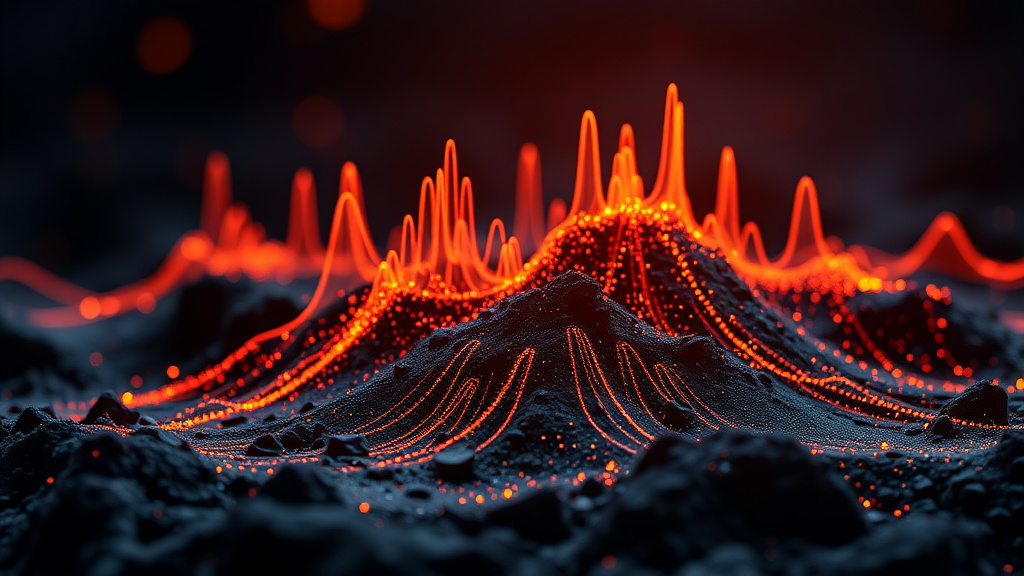
Earthquakes remain one of nature’s most unpredictable and devastating forces, claiming thousands of lives annually. However, groundbreaking advances in artificial intelligence are transforming seismic science. By analyzing vast datasets of geological patterns, seismic waves, and historical earthquake data, AI algorithms can now detect faint warning signs invisible to traditional methods. This article explores how machine learning technologies are improving prediction accuracy, possibly preserving lives through earlier warnings and better disaster preparedness strategies.
How AI Technology is Revolutionizing Seismic Forecasting
Artificial intelligence has fundamentally transformed how seismologists approach earthquake prediction, departing from traditional statistical models toward sophisticated systems for recognizing patterns. Machine learning algorithms can process enormous volumes of seismic data in real time, identifying complex relationships between geological variables that human analysts might miss. This technical progress constitutes a major transformation in earthquake science, enabling researchers to recognize early indicators weeks to months before major seismic events occur, considerably boosting public safety outcomes.
The integration of AI into earthquake prediction systems has already achieved impressive success rates in multiple areas worldwide. By merging historical seismic records with modern sensor information, artificial intelligence models can predict seismic activity with exceptional detail. These systems keep learning from new data, becoming increasingly accurate over time. Scientists now leverage machine learning algorithms to examine stress distributions in tectonic plates, pressure variations in geological formations, and magnetic irregularities that occur before earthquakes, developing comprehensive predictive frameworks.
Artificial Intelligence Methods and Seismic Data Analysis
Machine learning algorithms perform well at discovering hidden patterns within large earthquake data collections that contain millions of data points. Neural networks trained on extensive historical earthquake data can recognize fine-grained relationships between seismic vibrations, electromagnetic readings, and stress measurements. These algorithms process information from numerous monitoring stations simultaneously, combining complex interactions across large regions. The resulting models attain performance metrics considerably greater than traditional forecasting approaches, offering scientists invaluable insights into earthquake mechanics.
Seismic data analysis driven by AI technology uncovers complex connections between different geological variables formerly regarded as separate. Deep learning models can distinguish between minor earthquakes and precursory signals indicating major seismic events occurring. By studying frequency patterns, intensity fluctuations, and chronological patterns in earthquake data, AI systems recognize distinctive signatures unique to different fault lines. This sophisticated analysis enables researchers to establish region-specific prediction models tailored to local geological characteristics and past earthquake patterns.
Real-Time Monitoring and Early Warning Systems
Contemporary AI-powered early warning systems track earthquake movements in real time, sending alerts within seconds of earthquake detection. These systems utilize real-time data streams from global sensor networks, processing information faster than conventional approaches allow. Advanced algorithms separate different earthquake types and intensity levels, allowing appropriate emergency responses. The accuracy and speed of artificial intelligence-based tracking systems have demonstrated essential for reducing loss of life and reducing property damage during seismic events among at-risk communities worldwide.
Continuous earthquake monitoring serves as a vital advancement in disaster response infrastructure. Artificial intelligence systems assess seismic data against previous occurrences, determining earthquake likelihood and projected magnitude. These systems initiate automatic warnings to first responders, hospitals, and public transportation networks in milliseconds of detection. Integration with mobile networks ensures quick population notification, allowing people minutes or seconds to reach shelter. This technological capability has fundamentally changed how societies address to seismic hazards.
- Automated alert systems notify authorities within milliseconds of detection
- AI algorithms forecast seismic location, magnitude, and intensity patterns
- Real-time data integration allows ongoing system accuracy enhancements
- Mobile notifications alert populations moments before seismic waves arrive
- Machine learning models adapt to local geological features automatically
Obstacles and Emerging Opportunities in AI-Driven Seismology
Existing Constraints and Technical Barriers
Despite substantial progress, AI-driven seismology encounters major hurdles that researchers need to address. The limited availability of high-quality earthquake data continues to be problematic, as significant seismic occurrences occur infrequently in any given region. Additionally, the intricacy of Earth’s subsurface structures introduces variables that current algorithms find difficult to represent comprehensively. Variations in data quality across multiple observation points and regions compound the challenges in training processes, potentially generating distortions that lower prediction confidence and accuracy in varying regional settings.
Integration with Existing Infrastructure
Successfully implementing AI systems requires seamless integration with established seismic monitoring networks worldwide. Many regions still depend on outdated systems that may not support sophisticated processing requirements or immediate information transfer. Training seismologists to work effectively with AI tools poses further obstacles, demanding significant funding in professional training and skill development. Furthermore, standardizing AI models across different countries and geological regions requires worldwide partnership and shared standards, which remains an ongoing effort within the global scientific community.
Emerging Opportunities and Next Steps
The future of AI-driven seismology offers significant potential as technological advancement accelerates. Improved deep learning architectures and expanded computing resources will enable enhanced recognition of complex patterns. Growing networks of seismic sensors and information-sharing partnerships will deliver richer datasets for training algorithms. Ultimately, combining AI predictions with traditional seismological expertise could fundamentally change earthquake forecasting, substantially improving community protection strategies and allowing societies to respond with greater preparedness for unavoidable earthquakes.
